
Gambling's social influence Understanding community dynamics and player interactions
The Historical Context of Gambling
Gambling has deep historical roots, tracing back to ancient civilizations where games of chance were often tied to rituals or social gatherings. Archaeological findings suggest that the practice existed in societies such as the Greeks and Romans, where dice games and betting on sporting events were commonplace. This early engagement with games of chance laid the foundation for gambling’s evolution into a formalized activity, which today encompasses everything from casinos to online betting platforms. Players can enhance their experience by visiting https://icefishingevolution.com/, offering a thrilling way to engage with this rich history.
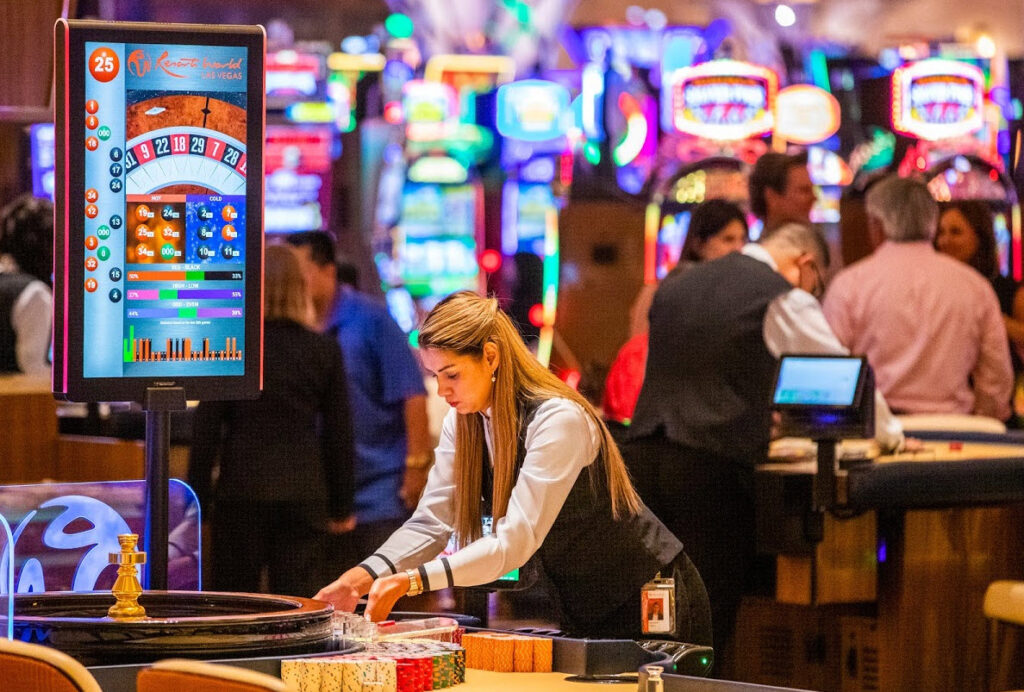
As gambling evolved over the centuries, it reflected broader societal changes. In medieval Europe, gambling was often a noble pursuit, with kings and aristocrats participating in card games and dice games. This exclusivity began to shift in the 18th century with the rise of public gaming houses, democratizing access to gambling and embedding it into the social fabric of society. This transition highlights how gambling served as both entertainment and a social equalizer, providing a common ground for people from various backgrounds.
By the 20th century, gambling underwent another significant transformation with the advent of casinos. The Las Vegas Strip became synonymous with gambling culture, and the social dynamics within casinos began to shape community interactions. Today, gambling is not only a leisure activity but also a means of fostering social bonds, with many players forming friendships and communities built around shared experiences, both online and offline.
Community Dynamics in Gambling
The dynamics of gambling communities are complex and multifaceted, influenced by various factors such as location, game type, and player demographics. In physical casinos, players often engage in social interactions, forming friendships with fellow gamblers and staff. These relationships contribute to a sense of belonging, making the gambling experience more enjoyable and immersive. Players may gather at specific tables or machines, creating a shared space that enhances their overall enjoyment of the game.
Online gambling platforms have introduced a new dimension to community dynamics. Players can now interact with others worldwide through live dealer games and chat features. These virtual spaces replicate the social aspects of in-person gambling, allowing players to share tips, discuss strategies, and celebrate wins together. The communal experience adds an emotional layer to gambling, transforming solitary activities into shared adventures that foster camaraderie among players.
Moreover, the psychological aspect of community dynamics plays a crucial role in gambling. The desire to belong and connect with others can significantly influence a player’s decision-making process. Understanding how social interactions affect gambling behaviors is vital for developing responsible gaming practices and creating healthier environments for players. Thus, fostering supportive communities can mitigate harmful behaviors and promote safer gambling experiences.
Player Interactions and Their Impact
Interactions among players can significantly shape their gambling experiences, influencing behaviors and outcomes. In both physical and online settings, the exchange of information is common, where seasoned players share insights with newcomers. This mentoring dynamic enriches the player community, encouraging engagement and enhancing the skill level across the board. New players often feel more confident entering the gambling sphere when they have support from experienced individuals.
Additionally, social interactions can lead to competition among players, which can heighten the excitement of gambling. Friendly rivalries may emerge as players challenge each other, enhancing the thrill of the experience. This competitive spirit can drive players to improve their skills and strategies, creating a more vibrant gaming environment. However, it’s crucial to balance competition with camaraderie to ensure a positive atmosphere.
Furthermore, player interactions can also have a cautionary aspect. Excessive peer influence may lead to irresponsible gambling behaviors. Players might feel pressured to bet larger amounts or to participate in games beyond their comfort level. This highlights the importance of fostering an awareness of responsible gambling within community dynamics, emphasizing the need for healthy interactions that prioritize the well-being of all members.
The Role of Technology in Modern Gambling Communities
The rise of technology has transformed gambling communities, especially with the integration of online platforms. Mobile apps and websites have made gambling more accessible than ever, allowing players to engage from the comfort of their homes. This accessibility has broadened community dynamics, as individuals can connect with others they might never have met otherwise, regardless of geographical barriers. The communal aspects of gaming have thus expanded, creating global networks of players.
Moreover, technology has introduced innovative features such as live streaming, where players can watch and interact with professional gamblers. This experience not only enhances entertainment but also provides learning opportunities for less experienced players. Such platforms foster a community of enthusiasts who share knowledge and strategies, enriching the overall gambling landscape. The shared digital space allows for a diverse exchange of ideas, contributing to a more informed and engaging player base.
However, the reliance on technology also poses challenges. Online gambling can sometimes feel isolating compared to in-person interactions. Therefore, maintaining the social aspects of gambling within these digital communities is crucial. Features such as chat rooms, forums, and live events can help mitigate feelings of isolation and encourage meaningful connections, ensuring that technology enhances rather than detracts from the gambling experience.

Conclusion: The Evolving Landscape of Gambling Communities
As gambling continues to evolve, understanding the social influence within these communities remains essential. The dynamics of player interactions and community engagement are crucial in shaping the gambling landscape. By recognizing the historical context, community dynamics, and the impact of technology, stakeholders can create environments that not only promote responsible gambling but also celebrate the social aspects of the activity.
In conclusion, the social fabric of gambling is woven from both historical traditions and modern interactions. As more players engage with gambling in various forms, fostering supportive communities will be vital for ensuring that the experience remains enjoyable and responsible. The evolution of gambling communities will likely continue, adapting to new technologies and cultural shifts while maintaining the core values of connection and camaraderie among players.